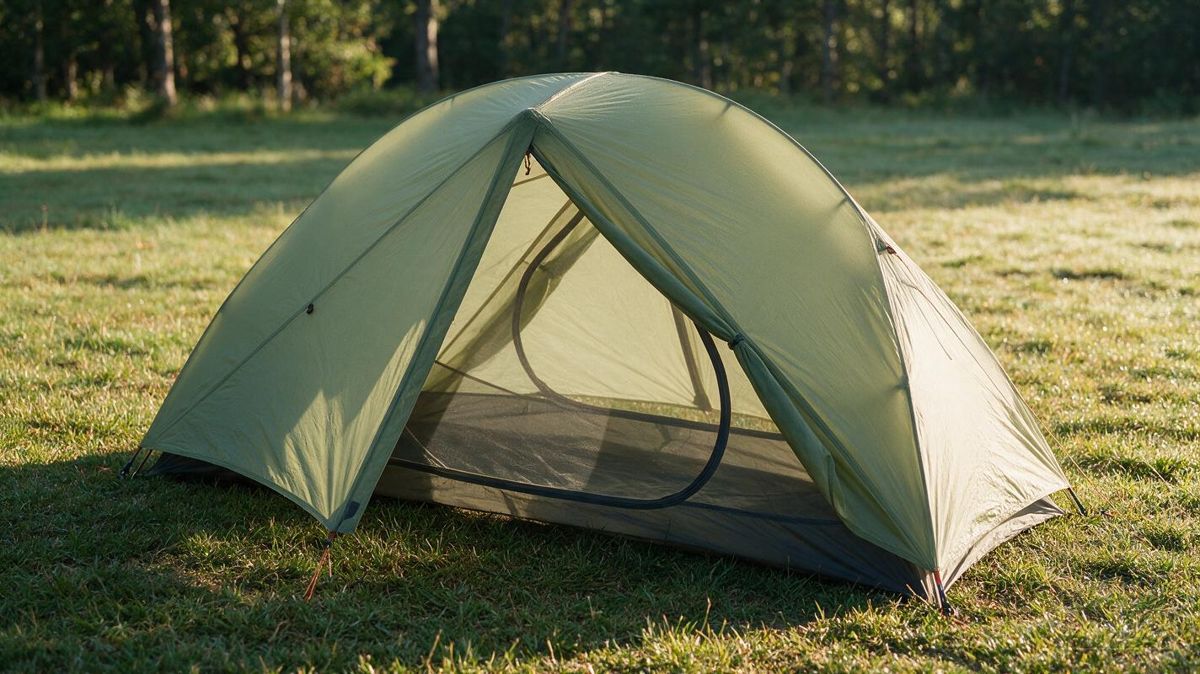
Introduction to the Naturehike Cloud Up Review
The Naturehike Cloud Up series sits in a crowded part of the tent market: lightweight backpacking shelters that cost noticeably less than comparable tents from established Western brands. Because of that positioning, people tend to search for a Naturehike Cloud Up review when they are trying to answer one practical question — is this tent actually a good buy, or does the low price show up somewhere in the materials, the durability, or the customer support? The series is sold in several capacities, and the two-person version, the Cloud Up 2, is the one most buyers ask about, since it is the size that works for couples, pairs of friends, and solo campers who want extra room for gear.
This review is informational rather than promotional. It walks through what the Cloud Up 2 is designed to do, how it is typically pitched and packed, and which details tend to matter most once you are actually on a trail rather than reading a spec sheet. It also looks at how the tent stacks up against budget alternatives, including Naturehike vs Kelty comparisons, because Kelty is one of the names shoppers most often weigh against a Cloud Up when they want a two-person backpacking tent without spending a premium. Neither brand wins across the board; the better choice depends on how you camp, how much weight you are willing to carry, and how much you care about things like vestibule space, peak height, and condensation management.
A few notes on how to read what follows. Tent specifications change between production runs and product revisions, so treat any figure you see in a review as a starting point and confirm the current numbers on the manufacturer’s own listing before you buy. Likewise, comfort and weather performance are personal and conditional: a tent that feels spacious to one camper can feel cramped to another. Use this article to understand the trade-offs and the questions worth asking, then match those answers to your own trips.
What the Naturehike Cloud Up Series Is and Who It Suits
The Cloud Up family sits at the entry point of Naturehike’s lightweight backpacking range rather than at its technical extreme. The design intent is straightforward: a double-wall tent with a mesh inner and a separate rainfly, pitched with a pole structure that keeps the whole package compact enough to carry on multi-day trips without the cost of premium expedition gear. Naturehike sells these tents mainly through direct-to-consumer channels, which is a large part of why the series comes up so often in budget gear discussions.
The naming convention is easier to read than it first appears. The number attached to each model generally reflects the sleeping capacity the tent is marketed for, so a Cloud Up 1 is positioned as a solo shelter, the Cloud Up 2 as a two-person tent, and larger numbers as roomier options. Within a given capacity, Naturehike has released multiple versions over time, and those versions differ in fabric choices, pole material, and small layout details rather than in the series’ overall concept. Because of that, two listings that both say “Cloud Up 2” may not be identical products. If you are comparing listings, check the version or fabric description rather than assuming the name alone tells you what you are buying.
That range of versions shapes who the series actually suits. It tends to appeal to backpackers who want a lightweight, self-supporting shelter for three-season trips in moderate conditions, and to casual campers who want something more packable than a heavy car-camping tent without spending premium money. It is generally not aimed at winter camping, sustained high winds, or long expeditions where durability under harsh conditions matters more than weight and cost. For someone doing weekend overnights, section hikes, or festival and road-trip camping, the series’ priorities line up reasonably well.
Naturehike Cloud Up 2 Review: Setup, Space, and Field Feel
Pitching is where most Cloud Up 2 reviews begin, and the routine is the familiar double-wall one: assemble the pole set, attach it to the inner tent, lift the inner into shape, then drape the fly over the top and secure it at the corners and guy-out points. The poles are colour-coded on the versions most buyers encounter, which shortens the learning curve, and a single practice pitch on flat ground is usually enough to make the second attempt routine. In wind, stake the upwind corners first and leave the fly slack until the inner is standing. Because the inner goes up before the fly, rain arriving mid-pitch is the main annoyance; if the version you own can be pitched fly-first, that is the sequence worth practising.
Inside, the tent is shaped for sleeping rather than lounging. Two adults on standard-width pads fit side by side through the middle of the floor, and the walls taper toward the foot end, so usable width is greatest near the doors and shoulders. Headroom peaks at one end, enough to sit up and change clothes but not to stand. Backpacks generally live in the vestibule or along the foot end rather than beside the sleepers, which is worth remembering if you carry large loads.
The layout commonly seen on this model pairs two doors with two small vestibules, so each occupant gets their own exit and somewhere to stash boots, a pack, or a stove you are not lighting inside. The vestibules are stowage space, not living space.
Ventilation is the topic that dominates owner discussion, and it follows the usual pattern for a mesh inner body under a coated fly. On still, humid nights with two people breathing inside a sealed tent, condensation on the fly is normal; it forms on the underside of the fly rather than dripping directly on occupants, which is the point of the double-wall design. Leaving a door partly open when conditions allow, choosing a breezy site, and avoiding hollows near water all reduce it.
Weather protection is best described as three-season rather than winter-grade. The fly covers the inner body, the floor is a bathtub-style tub, and guy lines let you stabilise the shell in wind. Seam treatment and fabric ratings vary between versions, so check the specification of the exact model you are buying rather than assuming.
Naturehike vs Kelty Tent: How the Two Brands Compare
Naturehike and Kelty come from different corners of the tent market, and that shapes what each brand tends to prioritize. Naturehike is a younger brand whose catalog leans toward lightweight backpacking tents sold mainly through online marketplaces, and its design choices favor low packed weight, simple feature sets, and materials that keep a tent light. Kelty is a long-established American brand with a much broader range, from large family car-camping tents to dedicated backpacking models, and its designs generally reflect a bias toward durability, straightforward construction, and support through conventional retail channels. Neither approach is better in the abstract; the useful question is which set of trade-offs matches how you actually camp.
The clearest functional difference shows up in materials and hardware. Naturehike tends to use lighter fabrics, thinner coatings, and slim aluminum poles to hold weight down, which can mean a less forgiving tent when it is pitched in strong wind or dragged over rough ground. Kelty tents often use heavier fabrics and chunkier hardware, which adds packed size and weight but typically tolerates more abuse over a season of family use. These are tendencies rather than rules: both brands make models that buck the pattern, and within either catalog an entry-level tent and a premium one can differ more than the two brands differ from each other.
Setup and ownership experience separate them further. Pitching is broadly similar across both brands, with color-coded poles and clip or sleeve systems on a familiar dome or tunnel shape, though lighter poles and thinner fabrics reward a little more care. Where Kelty has an edge is the surrounding ecosystem: retail presence, easier returns and exchanges, published warranty processes, and ready access to replacement parts. Naturehike’s online-first model can mean variable stock, longer shipping, and spare pole sections or replacement flys that are harder to source, so buyers often handle minor repairs themselves. If you are comparing a specific pair of tents, weigh these ownership factors alongside the tent’s own specs.
How to Judge a Budget 2 Person Tent Review
A trustworthy budget two-person tent review describes construction rather than atmosphere. As you read, check whether the writer names the fly and floor fabrics and their coatings, describes pole material in relative terms — aluminum versus fiberglass, thicker versus thinner walls — and states whether the seams arrive sealed from the factory or expect treatment at home. Reviews that skip these points often confuse a light tent with a durable one, and the two are not the same thing.
Then look at how packed size and weight are handled. Inexpensive shelters almost always trade something away, usually floor thickness, pole strength, or a lighter fly fabric, so a review worth reading explains where that trade-off actually falls instead of quoting one figure and moving on. Good coverage separates trail weight from packaged weight, notes whether stakes, guylines, and the footprint are included in either, and says whether the pole bundle folds short enough to sit inside a pack rather than strapped outside it.
Ventilation deserves the same scrutiny, because budget designs tend to cut corners on airflow before anything else. A useful review describes mesh panels and vents, and whether the fly can be pitched part-open in mild weather. It should also tell you plainly whether the floor is thin enough to need a footprint, and whether one ships with the tent or is sold separately.
Finally, weigh what the review says about ownership after the sale: warranty terms described in plain language, spare pole sections, and whether replacement parts can be bought on their own. A short checklist helps here — materials named, seam sealing addressed, packed size and weight separated, ventilation explained in practice, footprint requirement stated, and support options mentioned. A review that covers most of those is doing more than repeating a spec sheet, and it is the kind you can act on.
Common Trade-Offs and Who the Cloud Up May Fit
Every tent built to a weight and price target involves trade-offs, and the Cloud Up line is no exception. The most consistent complaint from owners is condensation. A double-wall design reduces the chance of brushing against wet fabric, but the inner tent is largely mesh and the fly offers limited cross-ventilation, so on still, humid, cool nights moisture has nowhere to go. For a single summer night this is a minor annoyance you can wipe down in the morning. On a multi-day trip in a damp climate, with a wet fly packed against the inner tent, it becomes a daily routine of drying gear and choosing campsites with airflow. Site selection, leaving a door partially open when weather permits, and pitching so the vents face away from the wind all help, but they reduce rather than eliminate the problem.
Long-term durability is the second trade-off. Lightweight fabrics in this class are thin by design, and coatings and laminations degrade with sustained ultraviolet exposure and abrasion against rock, gravel, and roots. Poles, zippers, and stake-out points tend to fail before the fabric does. The practical expectation is a tent that serves well for a number of seasons of regular use if you dry it thoroughly before storage, use a footprint or polycrop groundsheet, and avoid pitching directly on abrasive surfaces — not a shelter you hand down after a decade of hard use.
Support is the third. As covered earlier in the brand comparison, Naturehike’s customer service and spare-parts supply are oriented toward buyers who can order online and wait for shipping, and local repair shops may not stock matching poles or fly sections. That matters most if the tent is your only shelter: before buying, confirm that replacement poles or a spare fly are actually orderable in your region, and consider whether a retailer with local returns is worth a small price difference.
So who does the Cloud Up suit? Backpackers counting grams on a modest budget, weekend and short-trip campers in mild to moderate three-season conditions, and buyers who are comfortable sealing seams and doing small repairs themselves. It suits less well anyone planning weeks of humid, rainy travel, exposed high-alpine or snow-loading use, or who wants warranty service handled quickly and locally. None of that is a defect — it is a set of design priorities you can match against your own trips.
Conclusion: Making Sense of the Naturehike Cloud Up Review
The review’s decision points come down to a handful of practical questions, and the answers rarely point to a single winner. If low packed weight and a small pack volume matter most — say, for solo trips or long-distance hiking where every gram is negotiated — the Cloud Up series’ double-wall lightweight approach is the reason buyers keep returning to it. If interior headroom, an easier freestanding pitch, or the reassurance of local returns and warranty support matter more, a Kelty option may fit your trips better, even if it costs you some weight in the pack. The Cloud Up’s condensation behavior, vestibule space, and three-season limits are the kinds of things that feel fine on a weekend and less fine on a wet week, so match those traits to the weather you actually camp in rather than the weather you hope for.
Because versions within the Cloud Up name can differ in fabric, pole structure, and included accessories, the specific tent you order matters more than the series label. Read the listing for the exact model and season before comparing it against anything else. Likewise, a Kelty tent sold under one name may change spec between production runs, so judge the tent in front of you, not the brand’s reputation alone.
That is why the sensible move is to compare the Cloud Up 2, the Kelty options that interest you, and any other budget two-person tents on a shortlist built around your own use case and budget. Set the three or four features you refuse to compromise on, weigh them against what you are willing to spend, and let the trade-offs you can live with decide. No review can tell you which tent is best in the abstract — only which compromises suit the trips you take.